Art Cards for Kids That Spark Creativity in 2026
As we navigate through 2026, the world of children's art has evolved significantly, introducing parents and educators to exciting tools that foster creativity and engagement. Art cards are at the forefront of this trend, providing children with endless opportunities to explore their imaginative potential. These cards not only serve as a medium for artistic expression but also encourage critical thinking, problem-solving, and collaboration among peers. In this article, we will delve into the various types of art cards available for kids, their benefits, and practical ways to incorporate them into everyday activities.
Types of Art Cards for Kids
In 2026, a wide variety of art cards are designed to cater to different age groups and skill levels. These cards can range from simple coloring prompts to complex interactive designs that require multiple steps to complete. Here are some popular categories:
- Coloring Cards: These cards feature black and white illustrations that children can color in with crayons, markers, or colored pencils. The designs often include themes such as animals, nature, and abstract patterns.
- Interactive Art Cards: These cards incorporate augmented reality or QR codes that, when scanned, bring the artwork to life through animations or additional content, making the creative process more engaging.
- Inspiration Cards: These cards provide prompts or challenges to inspire creativity. For example, a card might suggest creating a scene using three objects found in the house.
- Crafting Cards: These cards include instructions for various craft projects, encouraging children to use materials around them to create something unique.
Benefits of Art Cards for Children
Utilizing art cards in 2026 provides numerous benefits that extend beyond mere entertainment. They can be instrumental in developing a child's cognitive and emotional skills. Here are some key advantages:
Boosting Creativity
Art cards stimulate creative thinking by presenting challenges that require out-of-the-box solutions. For instance, a child may receive a card that prompts them to create an imaginary creature using only shapes and colors. This encourages them to think creatively and abstractly.
People Also Look For:
- 6pcs Diamond Art Cards DIY Crystal Painting Art Greeting Cards Kits Diamond Painting Tools Whit Envelopes Butterfly Plant Mosaic F...
- CAYUDEN Diamond Painting Birthday Cards, 6 Packs Flower Happy Birthday Diamond Painting Cards DIY Handmade Diamond Art Painting Gr...
- CAYUDEN Diamond Painting Card Set, 12 Pack Diamond Art Cards DIY Handmade Diamond Painting Greeting Card with Envelope Set Card Ma...
- Classic Art Cards for Women Men - Van Gogh Starry Night - Famous Abstract Birthday Card for Mum Dad Auntie Uncle Nanny Grandad, 14...
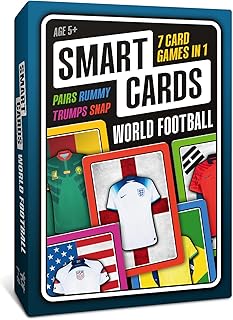
- SMART CARDS World Football, Gift, Stocking Filler, Travel Card Game, 50 cards, 7 games in 1, Pairs, Snap, Trumps, Rummy, Memory Qu...
Enhancing Motor Skills
As children use various tools to color, cut, or assemble components of their art cards, they enhance their fine motor skills. Engaging in these activities increases hand-eye coordination and dexterity, essential for their overall development.
Encouraging Collaboration
Art cards can be used in group settings, promoting teamwork among peers. When children share their interpretations of the same card, they learn to appreciate diverse perspectives. For example, in a classroom setting, students can work together on a large mural inspired by their individual art cards, fostering a sense of community.
How to Incorporate Art Cards into Daily Activities
Integrating art cards into daily routines can be a fun and enriching experience for children. Here are some practical ideas for parents and educators:
Daily Art Challenges
Set a daily art challenge using a different card each day. For instance, Monday could focus on coloring, while Tuesday might emphasize creating a craft. This variety keeps children engaged and excited about their artistic endeavors.
Art Card Parties
Host art card parties where children can come together to create and share their artwork. Provide a selection of art cards and encourage them to collaborate on projects. This social aspect not only enhances creativity but also builds friendships.
Integration with Other Subjects
Art cards can be used to complement educational subjects. For example, in a science lesson about animals, students can receive art cards featuring different species. They can then create art pieces representing those animals, integrating learning and creativity.
Popular Art Card Brands in 2026
As 2026 progresses, several brands have emerged as leaders in the art card market. These brands are known for their quality, creativity, and educational value:
- Creative Kids: This brand offers a wide range of coloring and crafting cards that are age-appropriate and educational.
- InspireArt: Known for their interactive art cards, InspireArt combines technology with traditional art to create immersive experiences.
- EcoArt: Focused on sustainability, EcoArt produces art cards made from recycled materials, teaching kids the importance of environmental responsibility.
- Artful Thinking: This brand provides inspiration cards that challenge children to think critically and creatively, fostering deeper engagement with art.
As the art landscape continues to evolve in 2026, the importance of fostering creativity in children remains paramount. Art cards serve as an effective tool for nurturing this creativity, providing endless opportunities for artistic expression and exploration. With innovative designs and engaging activities, these cards not only entertain but also empower children to unleash their imaginations. The future of art in education looks bright, and art cards are at the heart of this transformation. As parents and educators embrace these tools, the impact on children's creativity will be profound and lasting.