Secret Techniques for Personalizing Your Art Cards
In 2026, the art of card making has evolved, offering a plethora of innovative techniques that elevate personal expression. Whether you are crafting holiday greetings, birthday wishes or thank you notes, personalizing your art cards adds a unique touch that resonates with recipients. This guide delves into the secret techniques that will help you stand out in a crowded marketplace, enabling you to create memorable art cards that truly reflect your artistic vision.
Understanding the Basics of Personalization
Before diving into specific techniques, it is essential to grasp the fundamentals of personalization. In 2026, personalization extends beyond simply adding a name or a date. It encompasses the essence of the recipient's personality and preferences. For instance, if you know your friend loves nature, incorporating elements like floral patterns or earthy tones can enhance the sentiment of your card.
To begin, consider the following aspects when personalizing your art cards:
- Recipient's interests
- Occasion significance
- Color schemes that resonate
- Preferred artistic styles
By aligning your card design with these factors, you create a meaningful connection through your artwork.
Utilizing Mixed Media Techniques
Mixed media techniques have gained popularity in 2026, allowing artists to combine various materials to create depth and texture in their cards. This approach not only enhances the aesthetic appeal but also adds a tactile layer that engages the recipient. Consider incorporating materials such as fabric, textured paper, or even elements from nature.
People Also Look For:
- CAYUDEN Diamond Painting Card Set, 12 Pack Diamond Art Cards DIY Handmade Diamond Painting Greeting Card with Envelope Set Card Ma...
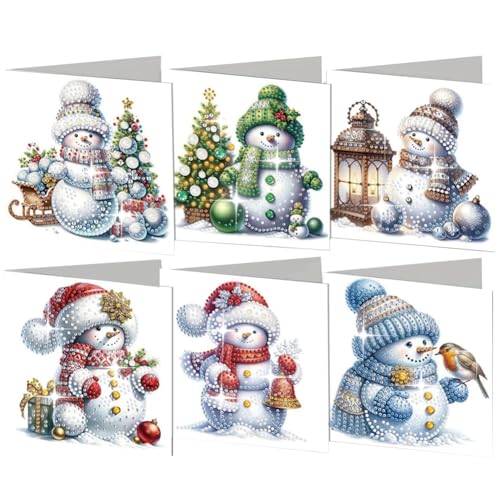
- 6 Pcs 5D DIY Christmas Diamond Painting Greeting Cards, Christmas Elements Diamond Art Cards, Round Drill Crystal Craft Card, Rhin...
- Bloodborne 1-3 Boxed Set: Includes 3 Exclusive Art Cards
- 100 PICS SMART CARDS Dinosaurs, Gift, Stocking Filler, Travel Card Game, 7 games in 1, Pairs, Snap, Trumps, Rummy, Memory Quiz, Tr...
- Sailor Moon (Naoko Takeuchi Collection) Manga Box Set 1: With 16 Collectable Art Cards and a Holographic Gift Box (SAILOR MOON NAO...
For example, imagine crafting a card for a friend who enjoys hiking. You can use a background of textured paper resembling tree bark, and add a small piece of twine to represent a rope. Such details not only personalize the card but also tell a story.
Incorporating Digital Elements
In this digital age, integrating technology into your card-making process has become a game changer. In 2026, many artists are utilizing digital design tools to create unique graphics or illustrations that can be printed directly onto cards. These digital elements allow for precise customization, enabling you to tailor each card to the individual’s preferences.
For instance, you could design a card featuring a custom illustration of the recipient's pet, making the card feel truly special. Moreover, using software to manipulate images allows you to play with color schemes and layouts effortlessly, giving you the flexibility to experiment until you find the perfect design.
Experimenting with Handwritten Text
Handwritten text adds an intimate touch that printed text simply cannot replicate. In 2026, incorporating handwritten elements into your art cards has become a sought-after technique. Whether you choose to write a heartfelt message or add a quote that resonates with the recipient, this personal touch elevates the overall design.
Consider practicing different handwriting styles or even exploring calligraphy. For example, if you are creating a wedding card, using elegant calligraphy can enhance the card's sophistication. On the other hand, a more casual handwritten note can suit a birthday card for a close friend. This adaptability makes handwritten text a versatile addition to your card-making toolkit.
Using Stamps and Stencils
Stamps and stencils have made a significant resurgence in 2026, offering artists a way to add intricate designs and patterns to their cards. This method allows for consistent and repeatable designs while still granting room for personalization. By creating custom stamps or stencils, you can introduce unique elements that speak to the recipient's tastes.
For example, if you are making a card for a friend who loves the ocean, you might create a stencil of seashells or waves. Using this stencil, you can apply various colors to evoke the beauty of the sea. The result is a card that not only looks professional but also carries personal significance.
Incorporating Interactive Elements
As we progress through 2026, interactive elements have become a popular trend in card making. This includes anything from pop-up features to QR codes that link to digital content. By adding these elements, you create a dynamic experience for the recipient. For example, a pop-up card featuring a flower bouquet can surprise and delight, while a QR code can direct them to a personalized video message from you.
Adding interactive components not only enhances the recipient's engagement but also allows you to express your creativity in new ways. Imagine sending a birthday card with a pop-up cake and a QR code leading to a playlist of their favorite songs. The possibilities are endless, and they transform a simple card into an unforgettable experience.
Conclusion: The Future of Personalization
Personalizing art cards in 2026 offers endless opportunities for creativity and connection. By understanding the basics of personalization, utilizing mixed media, incorporating digital elements, experimenting with handwritten text, and incorporating interactive features, you can create art cards that resonate with recipients on a deeper level. As you explore these techniques, remember that the heart of personalization lies in knowing your audience and expressing your unique artistic voice.
This 2026, embrace the art of personalization and let your creativity shine through every card you create. Whether you are making cards for friends, family or clients, the techniques explored here will help you craft memorable pieces that leave a lasting impression.